
Why Don’t We Just Move the (Deer Crossing) Sign?
Systems, Leadership, and the Signs We Ignore
There’s a classic bit from a stand-up comedian about the “Deer Crossing” sign. You know the one—a yellow diamond on the roadside with the silhouette of a leaping deer and the words Next 3.5 Miles. The comic pauses, looks confused, and wonders out loud: “Why don’t we just move the crossing? Why not put it somewhere safer for the deer?”
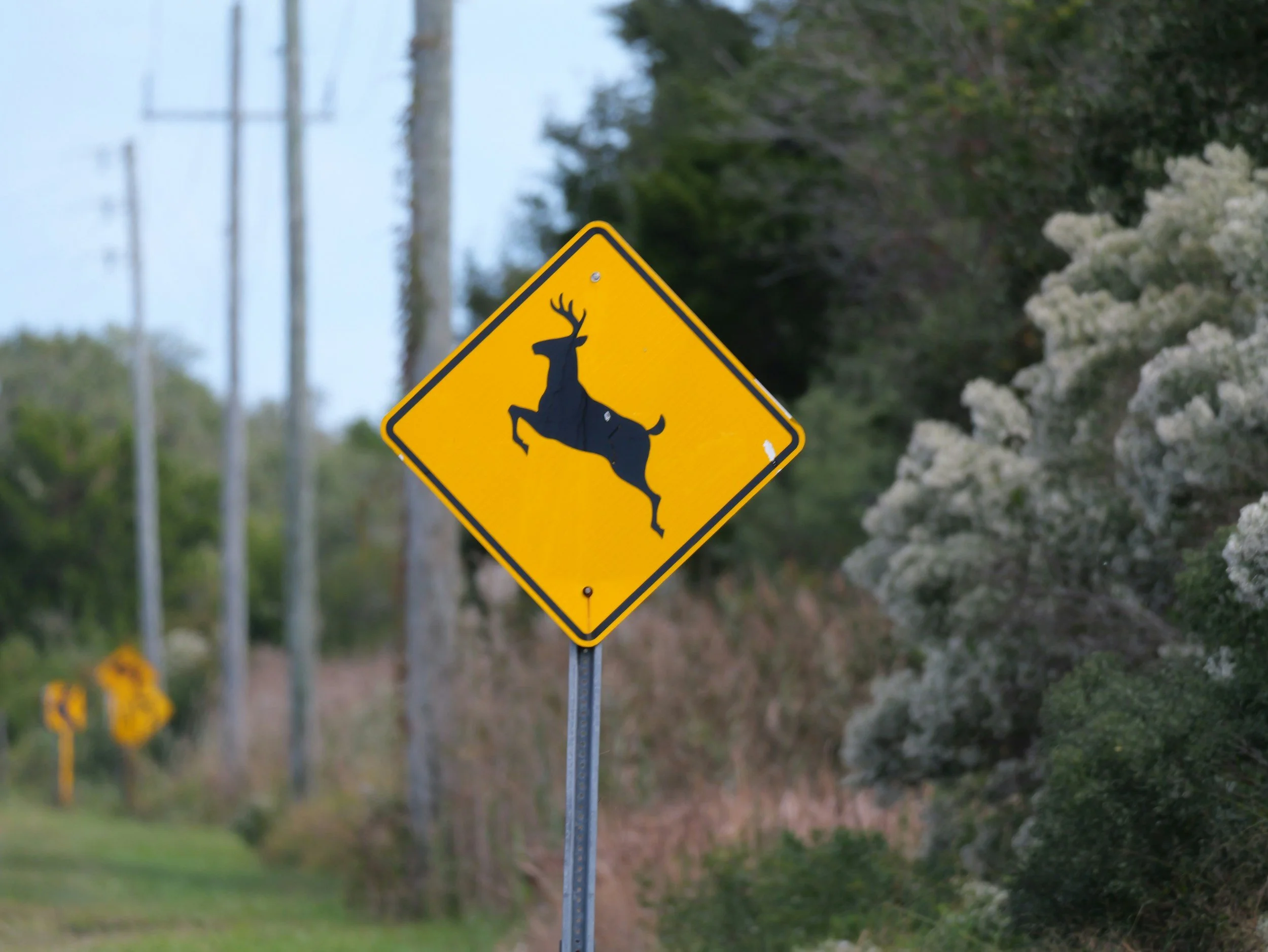
The joke works because it plays on a misunderstanding of how signs function. The deer don’t read the sign; the sign reads the deer.
It tells us where their paths already exist, where instinct and migration have drawn them for generations. The humor sits in our human assumption that we can fix a problem by relocating the label rather than addressing the landscape.
But in leadership, systems design, and education, that joke stops being funny—because we do it all the time.
The Misread Sign
In most organizations, leaders encounter their own version of the deer crossing sign: recurring issues in communication, culture, or performance. These are patterns revealing where the flow of people and energy already happens. A leader sees staff always meeting informally in the same place or teams repeatedly missing a deadline in the same stage of a process, and instead of studying why, the leader says, “Let’s just move the crossing.”
They add a new rule. Create a new structure. Rename a committee. Shift the reporting line. Post a new sign in a new place and expect everyone to change lanes accordingly.
But like the deer, people follow deep-rooted pathways carved by habit, trust, fear, convenience, and meaning. They don’t change direction just because a new sign appears.
When we confuse the sign with the system, we end up managing labels rather than patterns.
